Bedding · Mattress guide
Vispring Diamond Majesty: Construction, Comfort, and What to Consider
A luxury mattress is more than an impressive name or a sumptuous-looking surface. The details that matter are tucked inside: the spring system, upholstery layers, materials, firmness options and the way those elements work together. Here’s how to investigate the Vispring Diamond Majesty—and decide whether its design may suit your sleep preferences.
Some mattresses make an entrance before you ever lie down. The Diamond Majesty’s name signals an especially elevated place in the Vispring range, but a name cannot tell you how a bed will feel at 2 a.m., whether it will suit a side sleeper’s shoulders or how its materials behave over years of use. For those answers, the useful work is in the specifications.
That means looking beyond words such as “luxury” and “supportive” to find out how the mattress is constructed, which materials are used, what comfort choices are available and how the manufacturer recommends caring for it. The result is a more grounded comparison—one based on your needs rather than on prestige alone.
There is an important caveat: mattress specifications can vary by market, size, configuration and date. Product names and collections may also be updated. This guide therefore focuses on what to verify when assessing the Vispring Diamond Majesty, rather than presenting unconfirmed details as settled facts. Before making a decision, check the current product information for the exact version available to you.
Start with the build, not the label
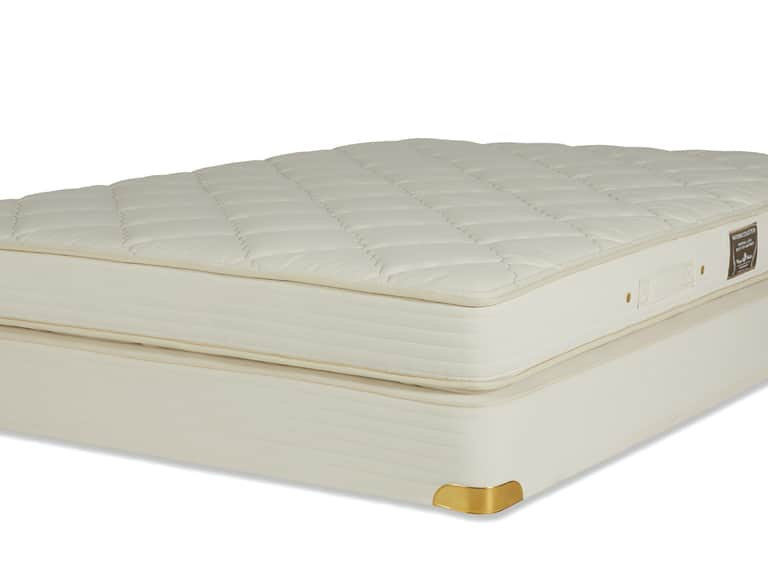
A mattress can be understood as a set of interacting layers. The cover and quilting shape the first impression; upholstery materials create cushioning and influence airflow; and the spring unit or core provides the underlying response. Edge construction, hand finishing and the bed base can further affect how the whole system feels.
When reviewing the Diamond Majesty, look for a current construction breakdown that identifies each layer and its position. Ask whether the information describes the specific size and version you are considering. A broad description of a brand’s materials is not necessarily a complete specification for one model.
- Comfort upholstery: Which fibers or fillings are used near the sleeping surface, and how are they layered?
- Support system: What type of springs or core is included, and are there multiple spring layers?
- Cover and quilting: What is the cover made from, and does its quilting contribute to a softer or firmer initial feel?
- Edges and borders: Is the perimeter reinforced, and how does the maker describe edge support?
- Finish and fastening: Are the layers secured by tufting, stitching or other construction methods?
- Two-sided use: Is the mattress designed to be turned over, rotated, or maintained in another specific way?
Those answers help translate a product description into practical expectations. A substantial filling list may suggest a carefully layered design, but more materials do not automatically mean more comfort for every sleeper. The combination, arrangement and resilience of the layers matter just as much as the names on the specification sheet.
Natural fillings and the feel of the surface
Premium mattresses often draw attention to natural fibers such as wool, cotton, silk, cashmere or horsetail hair. Each material has its own characteristics, and the finished feel depends on how it is processed and combined with the other parts of the mattress. A filling’s presence alone does not guarantee a particular temperature, softness or level of support.
For example, fibers used in upholstery may add cushioning, help manage moisture or contribute to the feel of the quilted surface. A spring system beneath those layers can respond differently from a thick foam comfort layer. But shoppers should be wary of turning material descriptions into medical or performance promises. Individual comfort depends on body shape, sleep position, room temperature, bedding and personal preference—not on a fiber name by itself.
Look for the exact material list, not only phrases such as “natural upholstery.” If a term is unfamiliar, ask what it means in the context of the mattress: how much is used, where it sits, whether it is blended with other fibers and whether the materials are certified. Certifications can help clarify particular sourcing or processing claims, but each standard has a defined scope. A certification should not be treated as a blanket guarantee of comfort, durability or environmental impact.
People who are sensitive to particular fibers, fragrances or treatments should request details directly from the manufacturer or retailer. If an allergy or health concern is involved, a mattress description is not a substitute for advice from a qualified professional.
What might it feel like?
“Comfort” is wonderfully personal—and maddeningly hard to reduce to a number. A firmness label can help narrow the field, but it is not a universal measurement. One person’s medium-firm mattress may feel firm to someone else, especially when body weight, proportions and preferred sleeping position differ.
The Diamond Majesty’s precise comfort options should be checked against current specifications. If there are choices in firmness or spring tension, learn how those are selected and whether they are available in every size. Ask whether the two sides of a mattress can be configured differently, if that matters to partners with distinct preferences. Never assume that a feature offered elsewhere in a brand’s collection is included in this model.
When testing a mattress in person, give it more than a quick sit at the edge. Lie in your usual position, relax for several minutes and notice the areas that tend to complain first. A side sleeper might pay attention to pressure at the shoulder and hip; a back sleeper might notice whether the lower back feels comfortably supported; a stomach sleeper may want to assess whether the middle of the body sinks excessively. These are observations, not diagnostic tests, and no single position is right for everyone.
Ask whether the floor model has been used for an extended period and how it compares with a new mattress. Then confirm the trial, exchange and return terms in writing. A brief showroom visit can offer a useful first impression, but sleeping on a mattress at home—under ordinary conditions—is often a more revealing test.
Helpful question: “What specific comfort configuration is this quote for, and can I see the matching current specification?” That small clarification can prevent a mismatch between the mattress tested, the version described and the one delivered.
Support is about alignment, not simply firmness
It is tempting to treat “firm” and “supportive” as interchangeable. They are not. A mattress can feel firm at the surface yet fail to accommodate a sleeper’s shape comfortably; a softer surface can still offer a stable underlying response. The practical question is whether the mattress allows the body to rest in a comfortable, sustainable position without creating distracting pressure.
Sleeping position offers a starting point, not a rulebook. Side sleepers often need enough give around the shoulder and hip to avoid a harsh, compressed sensation. Back sleepers may focus on whether the surface feels balanced rather than sagging or excessively rigid. Stomach sleepers sometimes prefer a firmer-feeling surface, though individual needs vary. Combination sleepers may care most about how easily they can turn and whether the mattress responds smoothly as their position changes.
Partners should consider how each person experiences the bed, not only how it feels when one person tests it alone. Ask about motion transfer, the feel at the edge and whether a split comfort arrangement is available for the selected size. These questions are especially useful when the bed will be shared and the sleepers have different body types or comfort preferences.
A mattress cannot promise to cure pain or prevent a medical condition. If discomfort is persistent or concerning, speak with a qualified health professional. For mattress shopping, use your own sleep experience as the guide and treat claims about therapeutic benefits with caution.
How it compares with other Vispring models
Looking at a related model can help put a premium mattress in context, as long as the comparison stays precise. Vispring’s Masterpiece Superb, for example, is described in its available product information as using three layers of hand-nested calico pocket springs, with wool, cashmere, alpaca, silk and horsetail among its listed upholstery materials. That specification provides a concrete example of how a layered spring mattress may be described.
It should not be treated as a substitute specification for the Diamond Majesty. Nor should shoppers infer that two models share the same construction simply because they come from the same maker or sit within a premium collection. Compare current product sheets line by line: spring configuration, filling materials, cover, comfort options, care instructions, dimensions and warranty terms. If the seller uses terms such as “above,” “below” or “more advanced,” ask which measurable construction differences support that description.
Price may be one part of the comparison, but it is not a direct measurement of fit. A higher price can reflect materials, labor, construction, retailer services or other factors; it cannot tell you whether the mattress will feel right in your bedroom. A thoughtful comparison starts with your priorities, then checks which features are actually documented for each model.
The foundation and the rest of the bed matter
Even a carefully constructed mattress is part of a larger sleep system. The base can influence its feel and may be essential to maintaining the manufacturer’s warranty. Before ordering, confirm which foundations, frames or slatted bases are approved, including any requirements for slat spacing or center support. If you plan to use an adjustable base, verify compatibility for the exact mattress configuration rather than relying on a general assumption.
Dimensions deserve the same attention. Standard size labels can vary by country, and a mattress may be available in different lengths or widths. Measure the frame and the room’s access route, including stairwells, elevators and tight turns. For a large, heavy mattress, delivery and setup arrangements can make a significant difference to the experience.
Ask what delivery includes: placement in the room, removal of packaging, old-mattress removal, setup on the frame and any fees. Confirm the expected delivery window and what happens if access is difficult. These details are less glamorous than hand-finished upholstery, but they are part of making an expensive purchase work smoothly in everyday life.
Care, rotation and long-term expectations
Care guidance should come from the manufacturer’s instructions for the exact mattress. Do not assume that a luxury mattress should be flipped—or that it should never be moved. Some models are designed for rotation; others have a designated sleeping surface. Follow the prescribed schedule and method, and ask whether the mattress is intended to be turned, rotated head-to-foot or left in one orientation.
A well-fitting mattress protector can help guard against spills, sweat and everyday wear. Choose one that fits securely and does not create a noticeably different sleep surface. If you use a protector, check whether it affects the mattress feel or conflicts with any care or warranty guidance. Bedding can influence temperature and comfort, too: breathable sheets and an appropriate duvet may matter as much as a small difference in mattress upholstery.
Keep the mattress on a suitable, well-supported base and avoid bending or standing it on its side unless the instructions allow it. For stains or spills, act according to the manufacturer’s cleaning guidance; excessive moisture or harsh cleaning products can damage materials. A removable cover should not be assumed to be washable. Confirm whether it can be removed and how it should be cleaned before attempting to do so.
Warranty coverage is another detail worth reading carefully. Check what the warranty covers, how long it lasts, what counts as a claim and whether specific bases or maintenance practices are required. A warranty is not the same thing as a comfort guarantee, and its terms may distinguish between manufacturing defects and changes associated with normal use.
A practical checklist before choosing
Before deciding on the Vispring Diamond Majesty, gather the information that connects the model’s construction to your own routine. A retailer or manufacturer should be able to help clarify the following points:
- What is the current construction specification for the exact size and market?
- Which spring system and upholstery materials are included, and where are they positioned?
- What comfort or firmness configurations are available, and are they available in the size I need?
- Can partners select different comfort options on each side, if relevant?
- What base is recommended, and is the mattress compatible with my existing frame or adjustable base?
- Should the mattress be rotated or turned, and how often?
- What are the trial, exchange, return, delivery and old-mattress removal terms?
- What does the warranty cover, and what conditions apply?
- Are material or sourcing certifications available, and what do those certifications specifically verify?
Keep the answers with the quote and order confirmation. That makes it easier to check that the delivered product matches the version you researched, particularly if comfort options or specifications vary by size.
So, who should consider it?
The Diamond Majesty may be worth investigating for shoppers who value detailed construction, want to understand the materials beneath the cover and are prepared to compare options carefully. It may also appeal to people who prefer a traditional, layered mattress concept over choosing a bed solely by foam density or a quick online firmness score. Whether those qualities are worth the investment depends on the current specification, the available comfort choices and, above all, how the mattress feels to the person who will sleep on it.
It may be less suitable for someone who wants a firm guarantee based on a product name alone, cannot test the mattress or clarify a return policy, or expects a premium price to remove the need for personal fit. No material list can substitute for trying the mattress in an appropriate way and confirming that its terms and dimensions suit the household.
The most useful approach is curious rather than dazzled. Ask what each layer does, how the spring system responds, which comfort version is being quoted and how the mattress should be supported and cared for. If the answers are clear—and the feel is right for you—the Diamond Majesty’s appeal can rest on more than its name.
Frequently asked questions
Can the Diamond Majesty be described as firm or soft?
That depends on the exact version and the sleeper. Confirm current firmness or comfort options with the manufacturer or retailer, then test the configuration being offered. Firmness labels are useful shorthand, not a universal standard.
Does a more elaborate construction guarantee better sleep?
No. Construction can explain how a mattress is designed, but it cannot predict comfort for every person. Body shape, sleeping position, temperature, bedding and personal preference all affect the experience.
Should I flip or rotate the mattress?
Follow the care instructions for the specific model. The right routine depends on its construction, and incorrect handling may affect comfort or warranty coverage.
What is the most important question to ask before buying?
Ask for the current specification of the exact model, size and comfort configuration on your order. Then confirm that the trial, delivery, care and warranty terms apply to that same product.